Binge Eating Disorder
- William Stivaletta

- Jan 5, 2024
- 2 min read
Binge Eating Disorder (BED) has evolved in its recognition and diagnosis, making significant strides since its introduction in the DSM-IV as a provisional diagnosis. The disorder gained distinct recognition in 2013, reflecting a crucial step towards improved understanding and treatment.
What Does a Typical Binge Look Like?
Binge episodes often involve consuming between 1,000 and 2,000 calories, with snacks and desserts being common binge foods. A real-life example illustrates a typical episode, such as a 23 cm cheesecake, half a litre of low-fat frozen yogurt, and 20 oatmeal cookies, all consumed within a 30-minute period.
Diagnostic Features (DSM-5):
The DSM-5 outlines key diagnostic features beyond the mere consumption of large amounts of food. These include eating rapidly, eating until uncomfortably full, eating when not physically hungry, eating alone due to embarrassment, and experiencing feelings of disgust, depression, or guilt after overeating. Distress about binge eating must persist for at least three months, occurring once a week.
Individuals with BED often hide episodes due to shame, and negative emotions trigger most binge eating episodes. Other triggers include food restrictions, unstructured time, feelings of being "fat," and negative thoughts about body weight and shape.
Differentiating Eating Disorders:
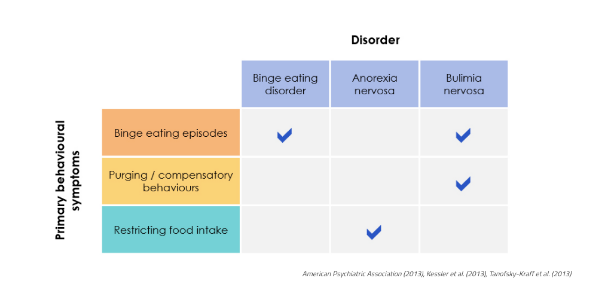
While BED shares characteristics with anorexia nervosa and bulimia nervosa, each disorder has distinct features. Anorexia nervosa involves underweight individuals primarily restricting food, while bulimia nervosa includes purging episodes. BED's defining feature is recurrent binge eating episodes.
Differentiating BED and Obesity:
BED affects individuals across all BMI categories, but only 42% of those with BED have obesity. Differentiating features include disturbed eating patterns, poorer mental health, and a worse response to weight-loss treatments.

Approximately 3% of the population experiences BED, making it the most common eating disorder. Interestingly, it's also the most common eating disorder among men, affecting one in 10. Prevalence rates are comparable across racial and ethnic groups.
Youths can exhibit signs of BED, with loss of control eating as a major risk factor. Detecting and addressing these early symptoms is crucial in preventing the development of a full-blown eating disorder.
BED is associated with numerous health complications, including obesity-related comorbidities and psychiatric disorders. Individuals with BED often experience reduced quality of life across various domains.
Understanding BED involves recognizing its diagnostic features, associated characteristics, and consequences. Early detection and comprehensive care are essential for mitigating the physical and mental health impacts of this prevalent eating disorder.
The insights shared in this post are derived directly from SCOPE training in obesity and mental health. For a deeper understanding and additional valuable resources, I encourage you to explore their website. SCOPE provides a wealth of information, catering not only to healthcare professionals but also addressing individual needs. To delve further into this subject, please visit their website for a comprehensive exploration of the knowledge they offer.


Comments